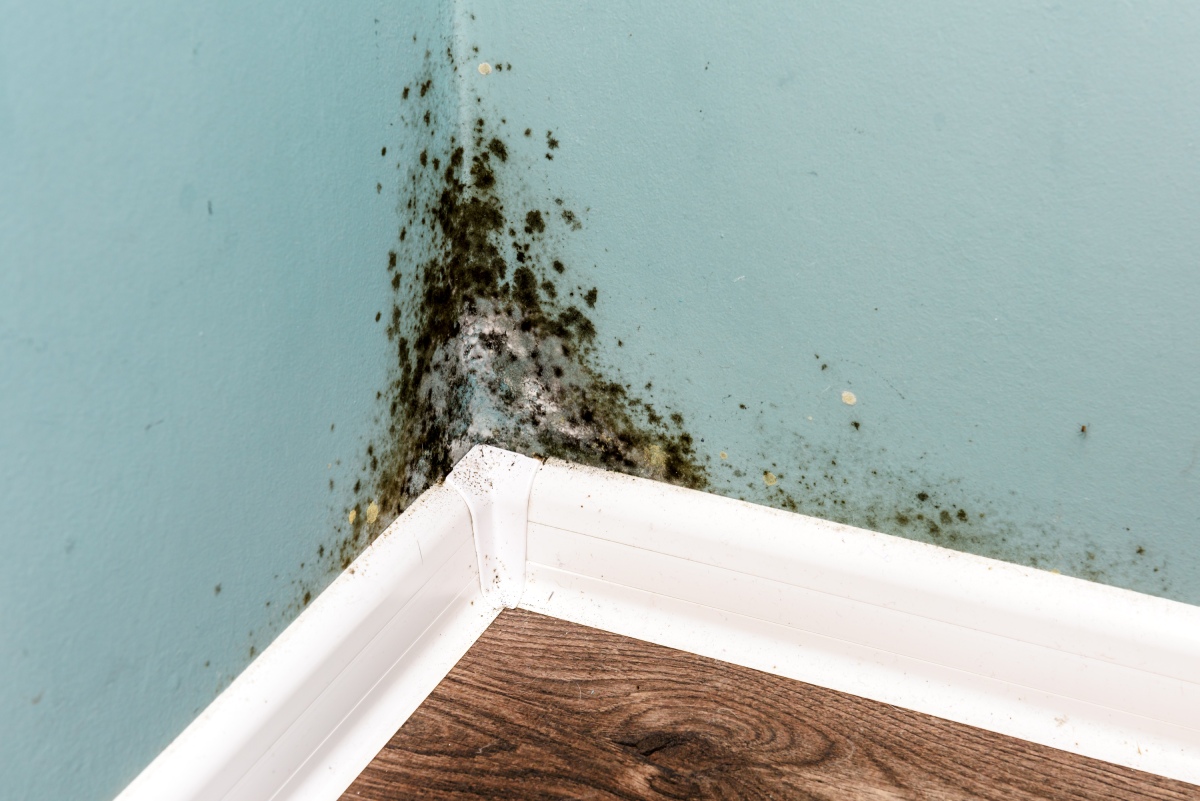
Mold remediation finds the moisture source behind mold growth, contains the affected area, removes damaged material, and treats the space so the mold doesn’t come back. That last part is what separates it from just wiping down a wall. South Florida homes need it because the climate here practically feeds mold: humidity, AC condensation, sudden storms. Below, we’ll walk through how remediation differs from removal, why it matters for your family’s health, and the point where a DIY fix stops making sense.
The Difference Between Mold Removal and Mold Remediation Explained
Mold removal is wiping or scraping visible mold off a surface. Mold remediation goes further, fixing the moisture problem underneath, sealing off the work area, and treating materials so nothing regrows. Skip that second half and you’re left with spores hiding in places you can’t see. For a Florida home, remediation is the version that actually holds up.
People throw around mold removal and mold remediation like they mean the same thing, and honestly, that mix-up is where most of the frustration starts. Scrubbing a patch off drywall handles what’s visible. It does nothing for the spores that already worked their way into the material underneath. And if nobody deals with whatever’s feeding the problem, whether that’s a slow roof leak, a window seal that gave out years ago, or a bathroom that never quite dries out, the stain is back before the paint even cures.
Ignore that cycle long enough and the damage moves past cosmetic. Drywall softens. Insulation loses effectiveness. Wood framing can start to weaken in ways you won’t notice until someone opens the wall. A real mold remediation company works from a process built to stop that, not just paper over it:
- Track down the actual leak or humidity source, not just the mold it’s feeding
- Seal off the work zone so spores can’t hitch a ride to the next room
- Run air quality testing at the end to confirm the space is genuinely clear
| Aspect | Mold Removal | Mold Remediation |
| Scope | Surface-level cleaning | Full-source correction |
| Addresses Moisture Source | No | Yes |
| Containment Used | Rarely | Always |
| Air Quality Testing | Not included | Included before and after |
| Typical Result | Temporary | Long-term resolution |
Homes that only get removal tend to show back up on a restoration crew’s schedule a few months later. Same issue, different room.
How Professional Mold Remediation Protects Your Family’s Health
What actually protects your family is getting spores out of the air and off the surfaces people touch all day, not just scrubbing what’s obvious. Certified crews rely on containment and HEPA filtration during the job itself, which is the part that keeps everyone with allergies or asthma from breathing in more than they were already dealing with.
Disturb a mold colony without sealing the room first and the air quality tanks almost immediately. Florida doesn’t do this any favors either. Central AC systems pull loose spores straight into the ductwork and hand them off to rooms that never had a visible problem to begin with. Good residential mold remediation treats the property as a whole system for that exact reason, rather than stopping at the room where someone first spotted the stain.
Kids, older family members, anyone managing asthma, they’re the ones who feel it first when exposure drags on, even at levels too low to notice day to day. So crews test air quality before starting and again once the job wraps, seal HVAC vents while the work is underway, and run negative air pressure machines to keep anything airborne from drifting into the rest of the house.
If the air in your house is measurably cleaner the week after the crew leaves than it was the week before, the job did what it was supposed to do.
When DIY Mold Removal Isn’t Enough: The Case for Certified Remediation
Once the affected area passes roughly ten square feet, involves black mold, or has already come back after you’ve cleaned it once, DIY removal has basically hit its ceiling. A store-bought mold remover just can’t reach spores that have already settled into porous drywall or wood. That’s the point where certified remediation stops being optional.
Bleach can lighten a stain. It won’t do much against mold that’s already worked into drywall paper or a wood fiber, and spraying it in a bathroom with no ventilation can put the person doing the cleaning at more risk than the mold itself did. IICRC-certified techs bring training and equipment a spray bottle was never going to match, which is exactly why anyone searching for how to remove black mold safely usually ends up better off calling a mold remediation specialist instead of buying a second can of cleaner.
A small, isolated spot on tile or glass is fair game for DIY mold remediation. The math changes fast once it comes back or shows up on something porous. That’s usually when certified crews bring in:
- HEPA vacuums and industrial dehumidifiers most homeowners don’t own
- The kind of documentation insurance carriers ask for before they’ll approve a claim
Insurance ends up being the deciding factor for a lot of homeowners who were on the fence about handling it solo. Carriers usually want paperwork from a certified mold remediation specialist before they’ll sign off on a claim tied to water damage or a storm, so a DIY attempt can actually slow down reimbursement instead of speeding anything up. Booking mold inspection and remediation as one job, instead of trying removal on your own first, tends to be the cheaper path in the end anyway.
The homeowners who call for mold removal services the first time they notice something off, instead of after three failed cleaning attempts, are usually the ones who spend less and lose less sleep over it.
Frequently Asked Questions
What is mold remediation exactly?
It’s the process of tracking down the moisture source behind a mold problem, sealing off the affected area, removing whatever material got damaged, and treating the space so the mold doesn’t just grow back. A quick cleaning skips most of that. It only deals with what’s visible. A licensed mold remediation company usually wraps up the job with air quality testing to confirm the space is genuinely safe, and that verification step is really what separates remediation from a basic cleanup.
How long does professional mold remediation take?
Three to seven days covers most residential jobs, though the real timeline depends on how far the mold spread and whether drywall or subflooring needs to come out and get replaced. Crawl spaces and attics tend to run longer since access and airflow are both limited. Most companies will give you a realistic estimate after a same-day inspection, before anything gets signed, which also helps if you’re trying to line things up with an insurance timeline.
Can black mold actually make my family sick?
Prolonged exposure has been tied to respiratory irritation, allergic reactions, and worse asthma symptoms, especially for kids and older adults. Just learning how to remove black mold from one visible patch doesn’t touch the spores already moving through the air in the rest of the house. Certified remediation covers that gap with air testing and HVAC treatment on top of surface cleaning, which is the part that actually brings down the health risk property-wide.
Will my insurance cover mold remediation?
It depends on what caused the mold and what your policy actually says, though a lot of carriers will cover mold remediation services when the cause was sudden, like a burst pipe or storm damage. Long-term humidity or a leak nobody caught for months gets covered far less consistently. Adjusters typically want documentation from a certified remediation specialist before they’ll approve anything, which is another reason a DIY attempt can end up dragging out reimbursement.
Why not just handle small mold spots myself?
A small spot on a hard, non-porous surface, tile or glass, is sometimes fine with a household mold remover. Once it’s bigger than about ten square feet, keeps coming back, or shows up on something porous, it’s really past the point where a home fix is going to hold. DIY mold remediation tends to stop at the surface and leave spores sitting inside drywall or wood, still spreading. Booking mold inspection and remediation together from the start usually costs less than cleaning up after a DIY attempt that didn’t work.