
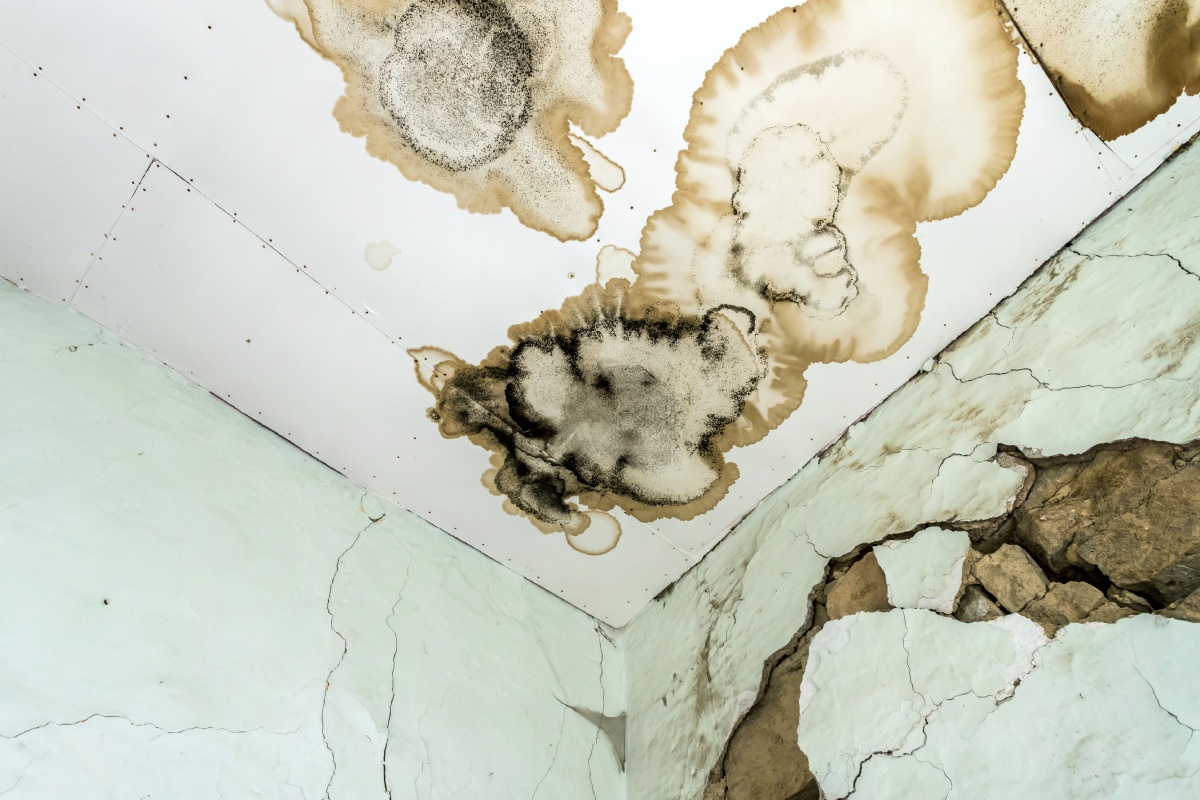
Commercial mold remediation protects a business by removing mold at its source, cleaning contaminated air and materials, and getting the space back to something employees and customers can safely occupy. Left alone, mold in a commercial building spreads fast through HVAC systems and can trigger health complaints, lease disputes, even shutdowns. Here’s how it affects air quality and health, what property managers should know, and how to keep downtime short during removal.
How Mold in Commercial Buildings Affects Air Quality and Employee Health
Mold in a commercial building degrades air quality by releasing spores into shared HVAC systems, which then carry them into every room the system serves, not just the one where the mold started. Employees exposed over weeks or months report headaches, respiratory irritation, and worsening allergy symptoms that clear up on weekends or vacations and come right back at the office.
Commercial buildings have a problem residential homes don’t. One HVAC system serving dozens of rooms means a single contaminated air handler can spread spores building-wide before anyone notices a smell. A closet with a slow leak on one floor can end up affecting air quality two floors away, simply because the ductwork connects them.
| Area | Why It’s High Risk | What to Watch For |
|---|---|---|
| HVAC systems and ductwork | Spreads spores building-wide through shared air | Musty smell near vents, uneven symptoms by zone |
| Break rooms and restrooms | High moisture, frequent water use | Visible spotting near sinks, persistent odor |
| Basements and storage areas | Poor ventilation, humidity buildup | Mold on stored materials, damp walls |
| Roof and ceiling tiles | Leaks that go unnoticed above ceiling grids | Water stains, sagging tiles |
| Multi-tenant shared walls | Moisture transfer between units | Complaints from one tenant but not neighbors |
Sick building syndrome gets thrown around loosely, but a cluster of employees reporting the same vague symptoms, headaches, fatigue, respiratory irritation, in the same part of a building is worth taking seriously rather than dismissing as coincidence. Commercial mold inspection at that point usually finds something, even if it wasn’t visible during a walkthrough.
A building that waits for a visible patch before testing the air usually finds out it’s been circulating spores for months already.
What Property Managers Need to Know About Commercial Mold Remediation
Property managers need to know that commercial mold remediation involves more moving parts than a residential job: tenant notification, lease and liability considerations, and coordination around shared systems like HVAC and plumbing that residential remediation never has to account for. Choosing a commercial mold remediation company with experience in multi-tenant buildings matters more than price.
Tenant communication is where a lot of property managers get caught off guard. Waiting too long to disclose a known mold issue can turn into a liability problem fast, especially if a tenant or their employees start reporting symptoms before management says anything. Being upfront early, even before remediation starts, tends to go over better than a surprise announcement.
- A commercial mold remediation cost estimate should break down labor, materials, and any required tenant relocation
- Documentation of the remediation process protects the property manager if a lease dispute comes up later
Not every commercial mold remediation company is equipped for occupied buildings. Working around business hours, containing an area without shutting down an entire floor, coordinating with a shared HVAC system, that takes a different level of planning than a standalone residential job. Asking for references from other commercial properties, not just homes, is worth the extra step before signing anything.
The property managers who ask the hard questions upfront are the ones who don’t get blindsided by a change order halfway through the job.
Minimizing Downtime During Commercial Mold Removal: A Practical Guide
Minimizing downtime during commercial mold removal comes down to scheduling work in phases, containing only the affected area instead of the whole floor, and coordinating with business hours so operations can continue in unaffected zones. A commercial mold remediation company experienced in active buildings plans around this from day one instead of treating it as an afterthought.
Phased work is the biggest lever here. Instead of shutting down an entire office suite, a crew can section off just the affected rooms, work through them one at a time, and let the rest of the business keep functioning. It takes longer in total sometimes, but it avoids the all-at-once shutdown that actually costs a business money.
- After-hours or weekend scheduling for the noisiest or most disruptive phases of work
- Temporary containment walls that let unaffected areas stay open and in use during remediation
Communication with employees and tenants matters just as much as the physical work. A business that tells its team what’s happening, why, and for how long deals with a lot less disruption than one that just shows up to a sealed-off hallway with no explanation. Commercial mold removal services that include a simple update schedule as part of the job tend to leave a better impression than the ones that just show up and start working.
The businesses that come out of a remediation project with the least disruption are usually the ones that planned the schedule around their operations, not the other way around.
Frequently Asked Questions
How does mold affect employee health in an office building?
Mold exposure in a workplace can cause headaches, respiratory irritation, and worsened allergy or asthma symptoms that tend to show up at work and ease up away from the building. Shared HVAC systems make this worse, spreading spores well beyond the room where mold actually started. Commercial mold testing can confirm whether symptoms reported by employees actually connect to a mold source, rather than something else entirely.
How much does commercial mold remediation cost?
Commercial mold remediation cost depends heavily on the size of the building, how far mold has spread through shared systems, and whether tenants need temporary relocation during the work. A single office suite costs far less than a job involving multiple floors or a shared HVAC system. Most commercial mold remediation companies provide a detailed estimate after an on-site inspection, since building layout affects pricing as much as square footage does.
What should I look for when hiring a commercial mold remediation company?
Experience with occupied, multi-tenant buildings matters more than a low bid, since working around active businesses takes different planning than an empty residential job. Ask for references from other commercial properties specifically, not just homes, and confirm they can handle phased work around business hours. A company that asks detailed questions about your building’s HVAC layout and tenant schedule before quoting is usually the one that’s done this before.
How can we minimize downtime during mold removal?
Phased scheduling is the biggest factor: containing only the affected area instead of the whole floor lets the rest of the business keep operating during the work. Scheduling the noisiest or most disruptive phases after hours or on weekends helps too. Commercial mold removal services experienced in active buildings should offer a phased plan by default, not as a special request, since it’s standard practice for anyone used to occupied spaces.
Are property managers liable if mold isn’t addressed quickly?
Liability depends on the lease terms and how quickly management responded once the issue was known, but delaying action after a reported problem generally increases risk rather than reducing it. Documenting the remediation process, from initial inspection through final clearance testing, protects a property manager if a tenant dispute comes up later. Addressing a known issue early, even before remediation formally starts, tends to reduce both health complaints and legal exposure.