
FLOOD DAMAGE RESTORATION
Flood Damage Restoration Services in South Florida
Flood damage restoration is the process of removing contaminated floodwater, drying and sanitizing the structure, and rebuilding what storm surge or large-scale flooding left behind. Flooding affects an entire ground floor at once and almost always involves contaminated water, which puts it in a different category than a typical household leak. We handle the full flood damage restoration process for homes and businesses across Miami-Dade, Broward, and Palm Beach counties, insurance documentation included.

Safe Homes

Healthy Families

Breathing Freely


Need Flood Damage Restoration?
We're Ready to Serve You!
We Make Flood Damage Restoration Simple
So you can get back on your feet as quickly as possible, insurance included.

1. Get An Inspection Now
We assess how far the floodwater traveled, check for contamination, and document everything for your insurance claim.

2. Create a Restoration Plan
We lay out what needs to be extracted, sanitized, dried, and rebuilt, with a realistic timeline for a large-scale event.

3. Breathe Freely
We finish the rebuild so the property is dry, sanitized, and safe again, not just cleared of visible water.
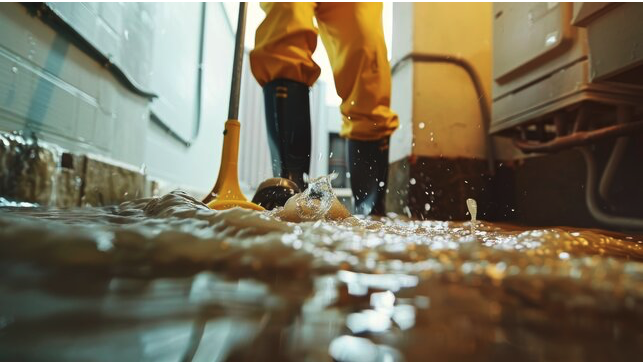
No One Plans for a Flood in Their Home
Once the water's in, the questions come fast:

Is my homeowners policy actually going to cover this?

Is the floodwater contaminated, and does that change the cleanup?

How much of my home needs to be gutted versus just dried out?
Will my flood policy, or FEMA, actually pay out in time?
What Makes Flood Damage Different From a Typical Water Leak
Not all water damage is the same, and the difference matters for both the cleanup and the insurance claim. A flood damage restoration job usually starts outside the structure, whether from storm surge, a rising canal, or rainfall that overwhelms drainage, and it tends to affect an entire ground floor at once instead of one room.
| Everyday Water Damage | Flood Damage | |
|---|---|---|
| Typical Source | Burst pipe, appliance failure, slow leak | Storm surge, rising water, overwhelmed drainage |
| Water Condition | Usually clean or lightly contaminated | Almost always contaminated |
| Area Affected | One room or a contained area | Often an entire ground floor at once |
| Insurance | Typically covered under a standard homeowners policy | Usually requires a separate flood insurance policy |
That contamination difference is why flood damage repair almost always involves sanitizing surfaces and removing porous materials like drywall and carpet, rather than just extracting and drying in place.
The Flood Damage Restoration Process
| Phase | What We Do | Typical Timeframe |
|---|---|---|
| Water Removal & Contamination Check | Extract standing water, test for contamination level | Same day to 1 day |
| Assessment | Document damage for your insurance claim, map how far water traveled | 1 to 2 days |
| Drying & Sanitizing | Industrial drying, disinfecting all affected surfaces | 5 to 10 days |
| Rebuild | Drywall, flooring, and painting to finish the repair | 2 to 6 weeks, depending on scope |
Larger flood events, especially ones from a named storm, commonly stretch the rebuild phase out further simply because more materials have to come out and get replaced rather than dried in place.
Flood Insurance and What It Actually Covers
Most standard homeowners policies exclude flood damage entirely, which surprises a lot of people right when they need coverage the most. Does homeowners insurance cover flooding? Generally, no, not without a separate flood insurance policy, whether through the National Flood Insurance Program or a private flood carrier.
This is where our founder's insurance background matters most. We've handled flood insurance claims for homeowners who assumed they were covered and weren't, and for homeowners with a flood policy who still needed help getting the claim documented correctly. Either way, we document the damage the way an adjuster needs to see it, not just the way it looks after the water recedes.
Flood Damage Doesn't Have to Feel Overwhelming
At Restoration Maintenance, we handle the extraction, the sanitizing, and the rebuild
together.

Safe Homes
We treat contaminated floodwater as a health hazard from the first hour, not an afterthought.

Healthy Families
Sanitizing every affected surface matters as much as drying it, especially after storm surge.

Breathing Freely
Once we're done, the property is dry, sanitized, and rebuilt, not just cleared of standing water.
The Restoration Maintenance Promise
We started this business to make the flood and water damage restoration process simple and reliable, especially when insurance is involved. With us, you can expect us to...

Work ethically with you and your insurance or flood carrier.
Provide complete and honest estimates, with documentation built for an adjuster.
Be a friendly and reliable team from the first call through the final rebuild.
Treat your home or business with the highest respect.
Show up on time and communicate clearly through every phase, even during storm season demand.
Hear from customers just like you!
Frequently Asked Questions About Flood Damage Restoration
What's the difference between flood damage and regular water damage restoration?
Regular water damage usually comes from inside the house, like a burst pipe, and involves clean or lightly contaminated water in one or two rooms. Flood damage comes from outside, typically storm surge or heavy rain overwhelming the property, and it's almost always considered contaminated water that can affect the entire ground floor at once. That difference changes the entire restoration approach, from what has to be removed to how the insurance claim gets handled.
Does homeowners insurance cover flood damage from storm surge?
Usually not on its own. Standard homeowners policies typically exclude flood damage, including storm surge, which is why flood insurance exists as a separate policy. Coverage specifics vary by carrier and by whether you have a National Flood Insurance Program policy or a private flood policy, so it's worth confirming your exact coverage before storm season starts, not after water is already in your home.
Do I need flood insurance separate from my regular homeowners policy?
In most cases, yes. A standard homeowners policy generally won't pay for flood damage, so if you want that protection you need a dedicated flood insurance policy, whether through the National Flood Insurance Program or a private flood carrier. Homes in flood zones are often required to carry it by their mortgage lender, but plenty of homes outside mapped flood zones still flood during major storms without that coverage in place.
How long does flood damage restoration take after a major storm?
It depends on how much of the structure the water reached and how long it sat before extraction started. A single flooded room caught quickly might be dried and repaired within one to two weeks. A full ground floor that sat underwater for days, which is common after storm surge, often takes four to eight weeks once you factor in contamination cleanup, drying, and rebuilding drywall and flooring.
Is floodwater from a storm surge considered contaminated?
Yes, almost always. Storm surge and floodwater typically pick up sewage, chemicals, and debris on the way into a structure, which is why it's classified differently than the water from a clean household leak. That contamination is exactly why flood cleanup involves sanitizing surfaces and often removing porous materials like drywall and carpet, rather than just drying them out.
What should I do first if my home floods during a storm?
Get everyone to safety first, and don't go back in until it's confirmed safe, since floodwater can hide electrical hazards. Once it's safe, avoid wading through the water any more than necessary, photograph the damage for your insurance claim, and call a restoration company as soon as conditions allow. The faster extraction starts, the less of the structure ends up needing to be replaced instead of just dried.
Will FEMA help pay for flood damage if I don't have flood insurance?
FEMA disaster assistance can help in a federally declared disaster, but it's typically meant to cover basic needs and isn't a substitute for flood insurance. Payouts are often smaller than what a flood insurance policy would pay, and assistance isn't guaranteed for every storm or every property. Flood insurance remains the more reliable way to cover a major flood damage restoration project.
Do you handle flood damage restoration for commercial properties?
Yes. Commercial flood damage restoration comes with its own urgency, since a flooded ground floor can shut down a business for weeks if it's not handled quickly. We coordinate with property managers and commercial insurance carriers the same way we do on residential flood claims, and we prioritize getting the space dry, sanitized, and safe to reopen as fast as the damage allows.