
WATER DAMAGE RESTORATION
Water Damage Restoration Services in South Florida
Water damage restoration is the process of removing water, drying out the structure, and repairing whatever a burst pipe, failed appliance, or hidden leak left behind. Most residential water damage in South Florida starts inside the house, not outside it, which means catching it early is usually the difference between a repair and a renovation. We handle the full water damage restoration process, from the first extraction to the final coat of paint.

Safe Homes

Healthy Families

Breathing Freely


Need Water Damage Restoration?
We're Ready to Serve You!
We Make Water Damage Restoration Simple
So you can get back to your life as quickly as possible.

1. Get An Inspection Now
We trace the water back to its source, whether that's a burst pipe, a failed appliance, or a slow leak that's been running behind a wall for weeks.

2. Create a Restoration Plan
We detail exactly what needs to be extracted, dried, and repaired, with a real timeline instead of a guess.

3. Breathe Freely
We finish the repair so the affected area is dry, structurally sound, and clear of the mold risk that follows any water event.
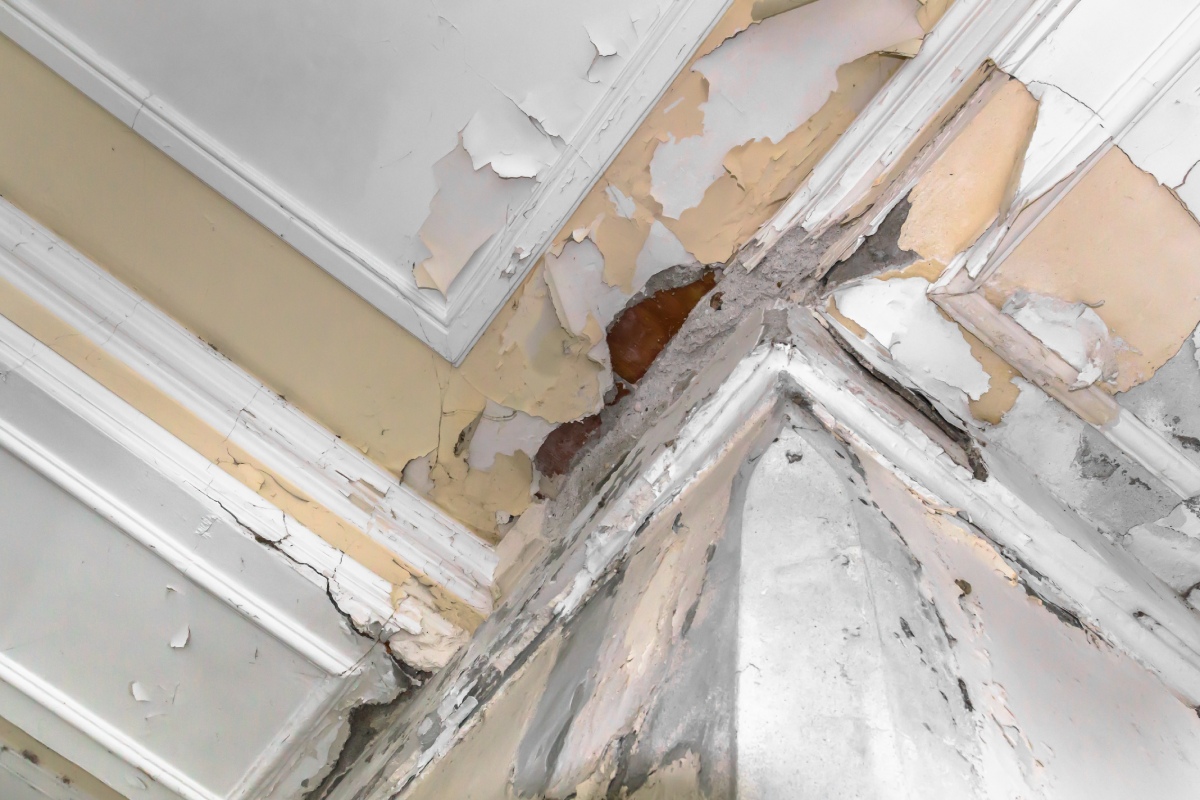
No One Notices Water Damage Until It's Already a Problem
By the time you can see it, you're usually already asking:

Is there damage happening inside the walls I can't see?

Will my insurance treat this as a maintenance issue instead of a covered loss?

How fast does mold actually start after a leak like this?
Do I need to replace the flooring, or just dry it out?
What Causes Most Residential Water Damage in South Florida
Most calls we get for water damage restoration don't start with a storm. They start with something inside the house failing quietly, and going unnoticed just long enough to cause real damage.
- A burst or corroded pipe inside a wall, common in older South Florida homes still running galvanized plumbing.
- A washing machine hose or water heater tank that fails without warning, often overnight or while no one's home.
- A slow leak under a sink or around a window frame that goes unnoticed until a ceiling stain shows up in the room below.
- An AC condensate line that clogs and overflows, especially common during Florida's summer humidity.
| Source | Where It Usually Shows Up | Warning Sign |
|---|---|---|
| Burst or corroded pipe | Behind drywall, under flooring | Sudden spike in the water bill, damp baseboards |
| Appliance failure | Kitchen, laundry room | Pooling water, musty smell near the unit |
| Slow leak | Ceiling below a bathroom, around windows | Staining, soft or bubbling drywall |
| AC condensate overflow | Near the air handler, closets | Drip stains, mildew smell |
The Water Damage Restoration Process
Once we're on site, an emergency water removal call moves through a set process, not a rushed guess:
| Phase | What We Do | Typical Timeframe |
|---|---|---|
| Emergency Extraction | Remove standing water with commercial pumps and extraction equipment | Same day |
| Assessment | Moisture mapping to find water that's traveled beyond the visible area | 1 day |
| Drying & Mitigation | Industrial drying equipment and dehumidifiers, monitored until materials read fully dry | 3 to 5 days |
| Repair | Drywall, flooring, and interior painting as needed to finish the job | 1 to 3 weeks, depending on scope |
The drying and water damage mitigation phase is the one step that can't be shortcut. Closing up a wall before it's fully dry is the single most common reason a water event turns into a mold claim a few weeks later.
What to Expect With Insurance and Cost
Cost scales with how long the water sat and how much has to be replaced versus simply dried in place. A pipe caught within hours might only need extraction and drying. Water that sat for days, or reached subflooring and insulation, runs higher because more of the structure has to come out and get rebuilt. We provide a written estimate after the inspection, so you're working from real numbers rather than a guess.
For businesses, commercial water damage restoration carries its own urgency, since downtime adds to the cost on top of the repair itself. Our water damage service covers residential and commercial properties across Miami-Dade, Broward, and Palm Beach counties, with the same insurance-aware documentation on every job.
Water Damage Doesn't Have to Feel Overwhelming
At Restoration Maintenance, we handle the extraction, the drying, and the rebuild
together.

Safe Homes
We dry the structure completely, not just the surface, so it's sound and safe again.

Healthy Families
The mold risk that follows standing water gets treated as a health issue, not an afterthought.

Breathing Freely
Once we're done, there's no lingering dampness, no musty smell, and no surprise a month later.

The Restoration Maintenance Promise
We started this business to make the water damage restoration process simple and reliable. Get everything you need and nothing you don't. With us, you can expect us to...

Work ethically with you and your insurance company.
Provide complete and honest estimates, with no upselling on repairs you don't need.
Be a friendly and reliable team from the first call to the final walkthrough.
Treat your home or business with the highest respect.
Show up on time and communicate clearly through every phase of the dry-out and rebuild.
Hear from customers just like you!
Frequently Asked Questions About Water Damage Restoration
What are the first signs of hidden water damage in a home?
Musty smells are usually the first clue, even before you see any staining. Watch for discoloration on ceilings or baseboards, paint that's started to bubble, floors that feel soft or spongy, and a water bill that jumped without an obvious reason. Hidden water damage often sits behind walls or under flooring for weeks before it becomes visible, which is exactly why it causes so much more damage than a leak you catch right away.
Does homeowners insurance cover water damage from a burst pipe?
In most cases, yes, sudden and accidental water damage like a burst pipe is covered under a standard homeowners policy. What typically isn't covered is damage from a leak that went unaddressed for a long time, since insurers can classify that as a maintenance issue rather than a covered loss. That distinction is part of why documentation matters so much, and why we photograph everything before restoration work begins.
How much does water damage restoration typically cost?
Cost depends mainly on how long the water sat and how much material needs replacing versus just drying. A pipe caught within hours might only need extraction and drying, which sits on the lower end. Water that sat for days, soaked into subflooring, or reached drywall and insulation runs higher because more has to come out and get rebuilt. We give you a written estimate after the inspection so you're working from real numbers, not a guess.
How long does the water damage restoration process take?
A straightforward extraction and drying job, caught early, usually wraps up in three to five days. Once drywall, flooring, or cabinetry needs to be removed and rebuilt, the full timeline stretches to two or three weeks. The drying phase specifically can't be rushed. Closing up a wall before the structure is fully dry is how a water damage job turns into a mold problem months later.
Can water damage be repaired without replacing the flooring?
Sometimes, depending on the material and how long it was wet. Tile and sealed hardwood often survive a quick response with just drying. Carpet, laminate, and engineered wood usually don't, especially once water has soaked into the padding or subfloor underneath. We test moisture levels before making that call, rather than assuming flooring needs to come out just because it got wet.
How quickly does mold start after water damage?
Mold can begin growing within 24 to 48 hours in Florida's humidity, which is faster than most people expect. That timeline is exactly why we treat drying as the most time-sensitive part of the entire restoration process, not just a step to get through. Waiting a few days to call someone, even if the standing water is gone, gives mold enough time to take hold inside walls and under flooring.
Should I try to dry out water damage myself before calling a professional?
A shop vac and some fans can help in the first hour or two, but they won't dry out what's inside your walls or under your flooring. Surface-level drying can actually make things worse by masking a problem that's still sitting in a wall cavity. We use moisture meters to confirm materials are fully dry, which isn't something you can verify with a fan and a hunch.
Do you handle water damage restoration for commercial properties?
Yes. Commercial water damage restoration comes with different pressures than a home, since downtime and lost business add to the cost of the damage itself. We work with property managers, tenants, and commercial insurance carriers to get the space dried out and operational again as fast as the extent of the damage allows.