People do not plan for sewage backups because they occur unexpectedly. The bathroom or laundry room has standing water and a strong smell. This happened suddenly, after everything had been working fine. The process of sewage cleanup requires more than basic cleaning work at this stage. It now poses a danger to public health.
Homeowners complete their cleaning tasks when they finish visible cleaning and floor mopping. Contaminated water moves through the building’s empty areas. The materials absorb water, which then disappears. Restoration Maintenance workers talk to customers. Customers share backup problems. The backup issues started between two and three weeks ago. The initial mess appeared minor, but the odor persisted.
Why Sewage Backups Are More Dangerous Than They Look
What’s Really in Sewage Water
Sewage water contains more than just dirt. Water can carry harmful germs, such as bacteria, viruses, and parasites. These germs can cause infections in your skin, stomach, and lungs. The condition causes irritation, headaches, and other symptoms that may lead to illness. Pets and kids face the highest risk because they spend more time on the floor and on carpets.
You may not see these contaminants, but they remain active. A clean-looking floor does not mean a safe floor.
The Problem With Hidden Moisture
Water moves according to two forces, which are gravity and pressure. Water moves through three different areas, which are baseboards, drywall, and flooring. Wood swells in humidity. Insulation materials soak up water. Carpet padding acts like a sponge, holding in dirty water.
Homeowners often focus on what they can see. The real issue hides inside walls and subfloors. Without proper sewage cleanup, bacteria continue to spread.
Long-Term Effects on Indoor Air
The odor transforms after several days. The odor develops into a musty and dense scent. Microbial growth together with airborne particles creates that particular odor. The person will experience three main symptoms, which include coughing, sneezing, and headaches. Many families think allergies cause their symptoms. But often, contamination is the real problem.
Where Contamination Hides After a Backup
Behind Walls and Baseboards
Drywall absorbs water through its surface because it acts as a water-repellent material. The smallest leak that creates water to flow through salt water. The material traps bacteria, which remain confined within its structure. The wall appears clean because paint and primer cover it, yet it still holds an odor.
Under Flooring and Carpets
Carpet fibers dry more quickly than padding materials. The pad under the carpet traps water for a long time. This lets harmful substances spread around the room. Airflow can’t reach the hidden spots under the laminate and wood flooring. This traps water in those areas.
Homeowners find warped floors and a bad smell three weeks after installation. Hidden contamination occurs because materials failed to dry completely.
HVAC Systems and Airflow
Air conditioning systems must distribute air throughout all areas of the house. Moisture that enters the return vents can contaminate. This causes particles to move through the ductwork. The system spreads the odor, which you will experience again after you clean one room.
Why DIY Cleaning Is Not Enough
Household Cleaners vs Biohazards
Store-bought cleaners help with daily accidents. The product fails to cut biohazardous materials. Bleach disinfects the top layer but fails to penetrate deeply into porous surfaces. Bacteria live and grow in hidden areas beneath the surface.
Cross Contamination Risks
People track contaminated water from their cleaning activities to different rooms. Shoes and mops with towels spread bacteria through hallways and living areas. The cleaning process now creates a larger issue than before.
Safety Concerns
Sewage contains dangerous microorganisms that can infect people through direct contact with waste. The right protective equipment is essential for safety, as most homeowners lack it.
The Professional Sewage Cleanup Process
Inspection and Safety Assessment
Restoration Maintenance begins with a complete inspection. The team finds the problem’s source. Then they check moisture levels and examine nearby materials. The process establishes the extent of contamination.
Containment and Removal
We establish restricted zones to control particle movement from contaminated locations. We will take out all contaminated materials. This means padding, damaged drywall, and wet insulation. The procedure eliminates all bacteria within the building.
Deep Cleaning and Disinfection
The detailed cleaning process begins after this stage. We disinfect surfaces using specialized solutions designed for biohazard situations. The goal is simple. The procedure must remove all bacteria from the environment. It should not just mask their presence through deodorization.
Drying and Dehumidification
We use drying equipment and dehumidifiers to remove all remaining moisture. Drying materials is important. Bacteria and mold need water to grow. Proper drying prevents contamination from returning to the area.
How Sewage Cleanup Protects Your Health
Reducing Exposure
Removing contaminated materials from an area reduces the risk of people getting sick. Stabilizing their surroundings helps families breathe better. It also reduces health issues.
Preventing Mold Growth
Moisture left behind often leads to mold within days. Thorough sewage cleanup reduces that risk by removing water quickly and completely.
Restoring a Safe Living Space
A home should provide its inhabitants with a sense of comfort. Peace is fully restored when all odors vanish, and surfaces are completely dry. Following official procedures helps people feel better emotionally. This is just as important as healing their bodies.
Preventing Future Sewage Problems
Routine Plumbing Care
You need to conduct regular inspections for drains because they require this maintenance. Tree roots, grease buildup, and old pipes can block drainage systems. Organizations that detect damage early can prevent serious disruption to their operations. This system protects their business activities.
Smart Disposal Habits
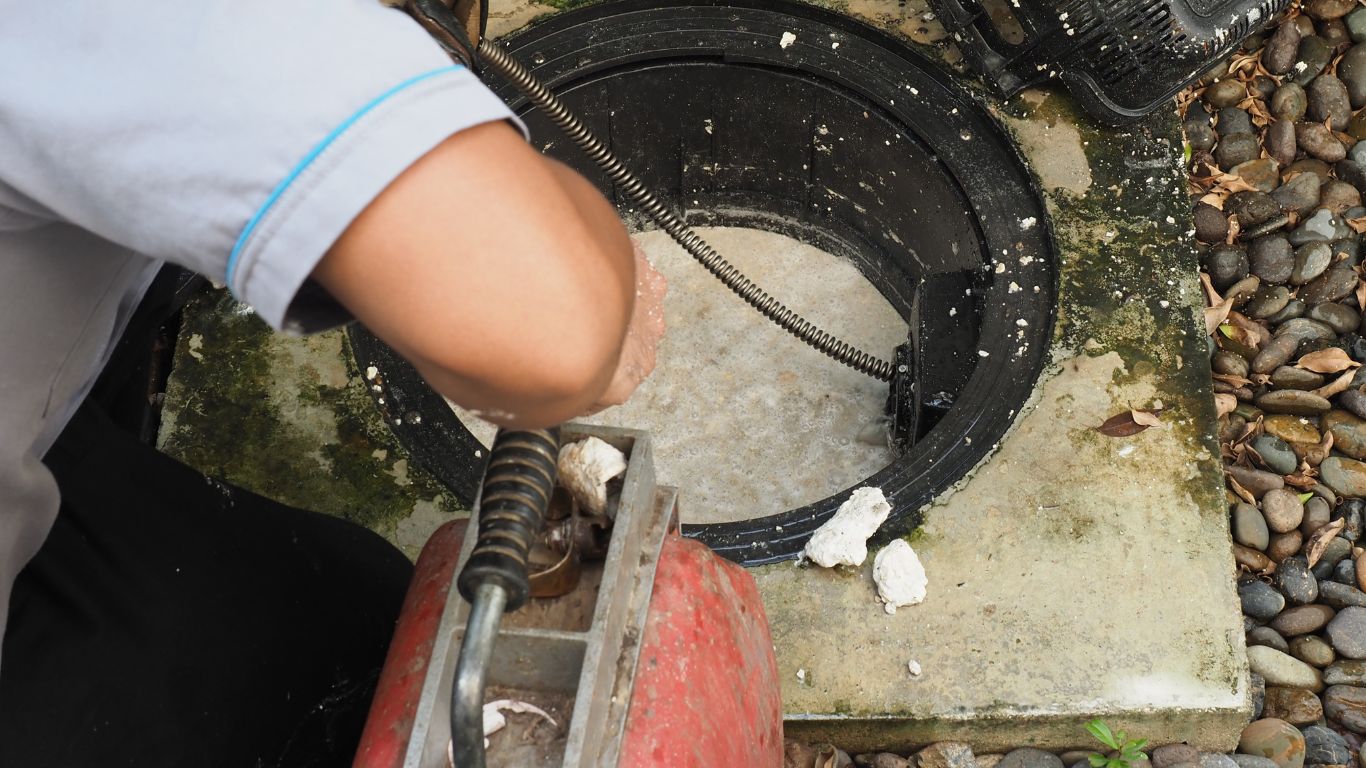
Don’t flush wipes, paper towels, or hygiene products. Flushable products may seem safe to flush, but they can block plumbing systems. The grease that people pour down sinks can harden. This can lead to blockages in plumbing systems.
Watch for Warning Signs
Slow-draining drains, gurgling sounds, foul smells, and recurring problems. These are examples of situations that bring something very expensive.
A Safer Home Starts With Proper Cleanup
Sewage problems can be stressful for any homeowner. The visible mess feels overwhelming, and the hidden contamination adds worry. The good news is that proper action makes a big difference.
At Restoration Maintenance, we help families understand their situation. We also guide them on the steps to achieve safety. We don’t pressure people. We explain the risks to people and present them with choices as we complete their tasks. The sewage cleanup process removes hidden pollutants. It also brings your home back to normal.
To stay up to date with us, please follow our LinkedIn and Instagram pages.