
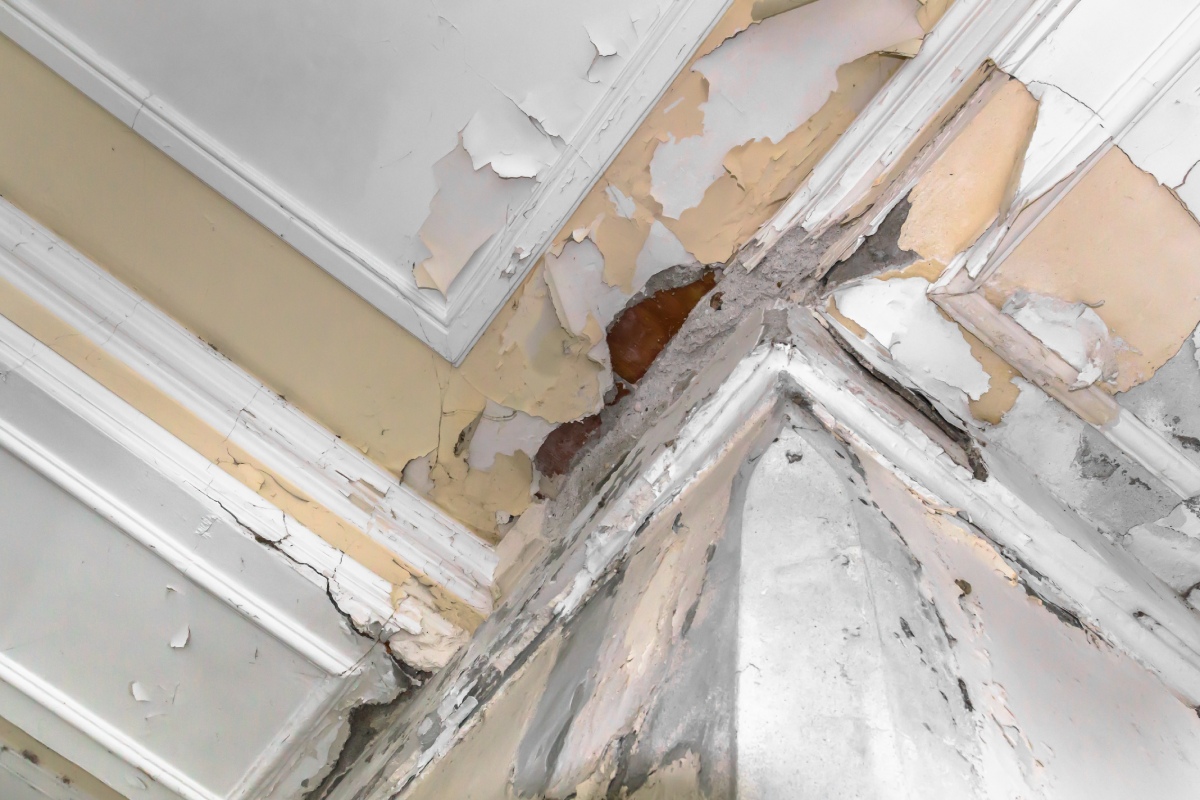
Kill the water source, kill the power to anything nearby, and get a water damage restoration crew out for extraction before mold has time to set up shop. That’s the short version. Standing water does most of its damage fast, usually inside that first day, so speed counts for more here than almost any other home repair situation. What follows is the actual process, why waiting even a few hours costs you, and what happens at each stage once a crew is on site.
The Step-by-Step Water Damage Restoration Process South Florida Homeowners Should Know
There’s a real order to this: assess, extract the standing water, dry everything out, sanitize what got wet, then repair or swap out whatever didn’t make it. Jump ahead, say you start drying before extraction’s actually finished, and you’ve just trapped moisture somewhere it’ll sit and feed mold for the next month.
Almost every South Florida call sounds the same. Someone finds water where it has no business being, a pipe finally gave out overnight, a storm shoved rain under the back door, an AC line clogged and backed up into a hallway closet. And the clock’s already moving before the first phone call goes out. Get a crew there inside a couple hours for water damage cleanup and you’re usually looking at one damaged room instead of three. The actual steps rarely change:
- Moisture mapping to find water that snuck past the visible area
- Pulling standing water out with pumps and truck-mounted vacuums
- Running industrial air movers and dehumidifiers, checked daily until readings normalize
- Sanitizing anything that touched contaminated water
| Stage | Typical Timeframe | What Happens |
| Assessment & Inspection | Same day | Moisture mapping and damage assessment across the affected area |
| Water Extraction | First few hours | Pumps and truck-mounted vacuums remove standing water |
| Drying & Dehumidification | 3 to 5 days | Air movers and dehumidifiers pull trapped moisture from materials |
| Cleaning & Sanitizing | 1 to 2 days | Affected surfaces treated to prevent bacteria and mold growth |
| Repair & Restoration | Days to weeks | Drywall, flooring, and trim repaired or replaced as needed |
Drying is where most people get impatient. Carpet feels dry under your hand after a day, sure, but the pad underneath and the subfloor beneath that can hold water for a week or more if nobody bothers checking with a meter. Crews doing residential water damage restoration right keep tracking humidity and moisture content daily, and they don’t stop until the numbers match the rest of the house, not just until the room looks okay from the doorway.
Rush the drying and you’re probably calling someone back out in six weeks. Different problem this time.
How Fast Response Prevents Permanent Structural Damage After Water Intrusion
Wood, drywall, subflooring, all of it starts soaking up water within minutes, and structural integrity can go within 24 to 48 hours if nobody does anything. Wait one more day past that and you’ve turned a drying job into a demo job, because swollen, delaminated material generally has to come out rather than dry back to normal.
Drywall pulls water upward fast, a foot or more in the first day sometimes, and once that paper facing separates from the gypsum underneath, there’s no saving it. Wood subfloor does its own version of the same thing: swells first, cups next, then can’t hold a fastener anymore. You won’t see any of it happening in real time. It shows up weeks out as a soft spot in the floor that wasn’t there before.
Every additional hour water sits against drywall or pools under flooring means more stuff a crew has to tear out instead of save. Water damage mitigation exists for exactly this reason: stop it early, and you’re not stuck repairing the damage it would’ve caused if it had spread. Get an emergency water damage restoration crew out in those first few hours and you’ve already cut down how much needs replacing.
- A same-day water damage inspection finds hidden moisture before it reaches rooms that still look fine
- Emergency water removal handled in the first few hours keeps the replacement list short
Homeowners who make the call in hour one usually end up with a smaller bill and a shorter job than the ones who wait around hoping it dries out on its own.
Water Extraction, Drying, and Restoration: What Each Stage Actually Involves
Extraction pulls out standing water with pumps and vacuums. Drying pushes air and dehumidifies to force moisture out of materials over several days. Restoration fixes or replaces whatever didn’t survive, drywall, flooring, trim, whatever got hit. Each stage of water damage remediation runs on its own timeline, its own gear, and its own way of proving the work actually got done.
Extraction goes first, and it moves fast, usually all in that first visit, because standing water left overnight just makes every step after it harder. Crews start with truck-mounted extractors, then bring in portable units for the awkward spots, under cabinets, inside closets, wherever the big equipment can’t reach. Most of what people think of as water damage removal happens right here, even though plenty of moisture is still hiding in the materials once the floor looks clear again.
Drying runs longer than people expect going in, three to five days on average, sometimes longer depending on how much got soaked and how humid the house already was. Moisture meters carry this whole stage, tracking wood, drywall, and subfloor numbers until everything lands back where it should be. Skip ahead here and mold shows up right on schedule, about six weeks later.
- Restoration can mean new drywall, flooring repair, and repainting to match what was there before
- A final walkthrough checks moisture is back to normal before anyone calls the job finished
The properties that come out of this looking best are the ones where nobody cut a stage short just because things seemed dry enough.
Frequently Asked Questions
What should I do immediately after discovering water damage?
Cut off the water source if it’s safe to reach, kill power to anything near standing water, and get furniture or anything valuable out of the affected area. Snap photos before you move or dry anything, insurance will want that documentation later. Once those first steps are done, call for emergency water removal, since the first few hours decide how much of the property gets saved versus replaced.
Does homeowners insurance cover water damage restoration?
Depends on the cause, mostly. A sudden event like a burst pipe usually gets covered. A slow leak nobody noticed for six months, much less consistently. Adjusters tend to want proof from a certified company on the cause and scope before signing off on a claim for water damage repair, so getting someone out to inspect early can be the difference between approved and denied.
How long does the water damage restoration process take?
Extraction’s usually done same day, the crew that shows up handles it. Drying is the longer part, three to five days typically, based on how much water got in and what it soaked into. Repair work after that, new drywall, new flooring, can run anywhere from a few days to a couple weeks. Most residential water damage restoration customers get a realistic timeline right after the initial inspection, before any work starts.
Can water damage lead to mold if it isn’t handled quickly?
It can, and fast, mold can take hold within 24 to 48 hours in a climate as warm and humid as South Florida’s. That catches a lot of homeowners off guard. Water damage restoration services that cut corners on drying leave moisture sitting in walls and floors, which is basically an invitation for mold. Full drying, verified with a moisture meter and not just a glance, is what actually keeps that second problem from showing up a month later.
Should I try to dry out water damage myself before calling a professional?
A small spill on tile or a hard floor, sure, towels and a fan will get you there. Standing water, a soaked carpet, anything that touched drywall, that’s past what a homeowner can really handle without the right gear. Emergency water extraction from a trained crew, done quickly, keeps the replacement list shorter than it would be otherwise, and usually costs less than fixing whatever a DIY attempt missed.